
Tesla recently unveiled Optimus (Gen 2): a robot that can move and learn like a human. With it, Tesla wants to take a step toward AGI (for more on AGI, see our post on Project Q*) by letting a robot learn simply by observing what happens around it.
Companies like Figure and Samsung are also working on robots that can do tasks for us. Right now they manage simple things like making coffee and folding laundry. But that will change fast, because these robots use swarm learning, a technique where 1 of 10,000 robots can learn something new, and with a simple software update the other 9,999 immediately have it baked into their behaviour as well.
Making coffee and folding laundry is fun, but is there real value here? When you consider how fast AI techniques are evolving and keep AGI in mind, it is easy to imagine where these robots will be a year from now. In healthcare, for instance, robots could take on many tasks. They could also work in construction or in dangerous jobs. Imagine builders who never need to sleep, are much stronger than humans, and do not face the risk of dying on the job. They could be an answer to the huge labour shortage.
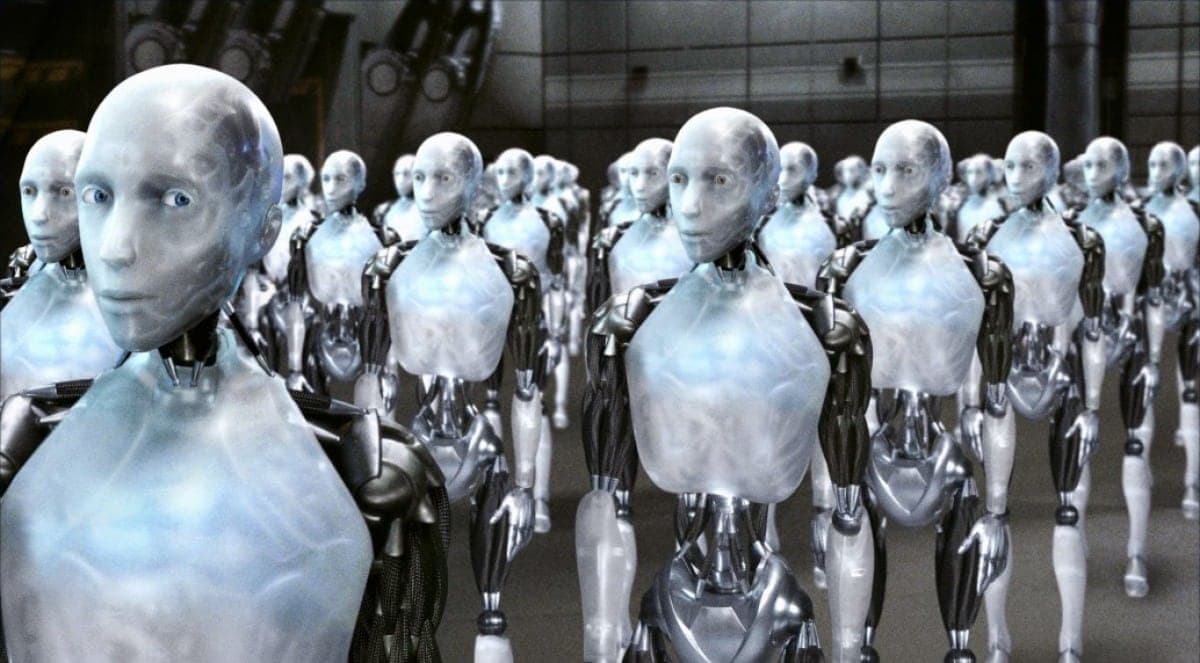
It still feels far off, and it is unclear when these robots will reach the market. Figure has said it is aiming to bring the Figure 01 to market by the end of the year. We are keeping a close eye on these technologies and watching for what is next, because iRobot is starting to feel close indeed.